

Electric Lorries Could Cut Major Carbon Emissions, Report Finds

A new report has revealed that a single electric heavy goods vehicle could prevent around 1,000 tonnes of carbon emissions by 2034 compared with a diesel equivalent. The findings underline the growing importance of electric lorries in reducing the environmental impact of the UK’s freight sector.
The research draws on a large-scale national project involving more than 30 industry partners, focused on accelerating the shift to zero-emission transport. As part of the programme, electric trucks have been introduced across multiple fleets, helping to test performance and infrastructure in real-world conditions.
So far, participating operators have covered over two million kilometres using electric vehicles, providing valuable insight into their day-to-day use. The report suggests that, under the right conditions, electric HGVs can match or even outperform diesel vehicles in terms of cost, particularly when charging is carefully planned.
Driver feedback has also been positive, with many reporting increased confidence after gaining experience with the vehicles. As the project moves forward, attention will turn to long-term data collection and improving charging networks. The findings are expected to guide businesses and policymakers as they plan the wider rollout of electric freight solutions across the UK.
New Tools Aim to Speed Up Electric HGV Transition
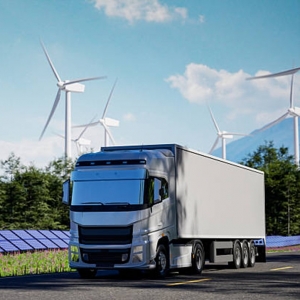
A new set of resources has been introduced to support UK haulage operators in moving towards electric heavy goods vehicles. Developed using insights from large-scale trials, the toolkit is designed to help businesses better understand the practical and financial aspects of switching to zero-emission trucks.
The materials draw on data from government-backed projects that deployed dozens of electric lorries and charging systems across multiple sites nationwide. They include interactive modelling tools, cost calculators and guidance to help operators assess infrastructure needs, energy demand and long-term savings linked to electrification.
Created through collaboration between industry partners, manufacturers and infrastructure providers, the initiative aims to bridge knowledge gaps between the transport and energy sectors. It offers practical advice not only for fleet operators but also for policymakers, network planners and charging providers, helping them coordinate efforts more effectively.
The release comes as the UK pushes towards ambitious decarbonisation targets, including phasing out new diesel HGVs over the coming decades. With thousands of electric trucks expected to be needed to meet future climate goals, the new toolkit provides early guidance on scaling up adoption. It highlights both the opportunities and challenges ahead, encouraging a more joined-up approach to building the systems required for a cleaner freight industry.