

Warehouse Robots Transform Logistics but Raise Job Concerns
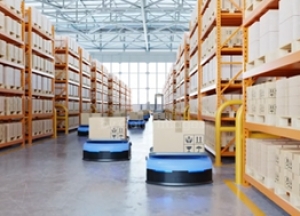
A major UK distribution centre has introduced a large fleet of robots to handle stock movement, dramatically changing how goods are processed. Previously, staff would walk long distances each day collecting items from shelves, but now automated machines retrieve products and deliver them directly to workstations, significantly increasing efficiency.
The robotic system can navigate a vast storage grid, climb high shelving and transport items quickly across the warehouse. This has reduced the physical strain on workers, eliminating tasks such as climbing ladders and carrying heavy loads. While the technology has improved health and safety conditions, it has also reduced the number of staff required for certain roles.
The company behind the changes insists the goal is not to cut jobs, but to redeploy employees into other areas and develop new skills. Some workers have moved into roles focused on customer services, repairs and sustainability initiatives. However, fewer people are now needed on the warehouse floor compared to before automation was introduced.
Trade unions and industry experts remain cautious, warning that increasing automation could eventually lead to job losses across the sector. While some believe new, more technical roles will emerge, others fear a long-term reduction in opportunities for lower-skilled workers. The shift highlights the growing tension between technological progress and employment in the logistics industry.
Strike Threat Looms Over Jaguar Land Rover Supply Chain
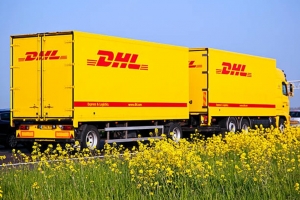
Hundreds of HGV drivers employed by a major logistics firm are set to vote on potential strike action linked to Jaguar Land Rover (JLR) operations, as a growing pay dispute intensifies. The drivers, based across several sites including Solihull, Birmingham, Wolverhampton and Widnes, could join existing unrest among logistics staff who have already backed industrial action.
The dispute centres on the absence of a pay offer for 2026, leaving workers without their expected annual increase, usually introduced at the start of the year. Union representatives have warned that if the situation is not resolved, strike action could significantly disrupt the movement of parts and vehicles across JLR’s key manufacturing locations.
Any disruption would come at a sensitive time for the carmaker, particularly at its Solihull plant, which has only recently stabilised after a major cyber incident last year that halted production for several weeks. The site plays a crucial role in the production of high-end vehicles, while other locations support engine manufacturing, electric vehicle development and logistics operations.
Union officials argue that the employer has the financial capacity to make a fair offer and have urged swift negotiations to avoid escalation. Meanwhile, the company has expressed disappointment over the move towards industrial action but stated it remains willing to continue discussions in order to reach a balanced agreement that supports both employees and long-term business stability.
Haulage Sector Calls for Action Amid Fuel Cost Spike
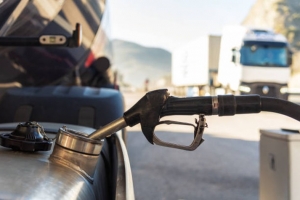
The Road Haulage Association (RHA) has requested urgent discussions with Chancellor Rachel Reeves following a sharp rise in fuel costs, warning of serious consequences for businesses and the wider economy. A recent surge in bulk fuel prices has increased pressure on transport operators already facing tight financial margins.
The spike in costs comes as global oil prices climb significantly, intensifying concerns across the logistics sector. Despite calls from some politicians to reconsider upcoming fuel duty changes, the government has indicated it will continue monitoring fuel pricing closely to prevent unfair increases for consumers.
In its appeal, the RHA has urged ministers to take immediate steps, including reducing fuel duty, reconsidering planned increases and lowering VAT on fuel. It has also highlighted the need to strengthen the UK’s energy resilience and address ongoing issues such as delayed payments within the industry.
Industry leaders warn that the rising costs could have a knock-on effect on everyday goods, as road transport plays a crucial role in supplying food and consumer products nationwide. With many operators working on very slim profit margins, the RHA says urgent intervention is needed to prevent further strain on businesses and avoid wider economic impact.
Police Lorry Patrols Uncover Dozens of Driving Offences

More than 100 motoring offences were identified after Essex Police carried out a recent road safety campaign targeting dangerous drivers. The operation saw officers stop 166 vehicles across key routes in the county.
Working as part of Operation Tramline, a national initiative with National Highways, officers used an unmarked HGV cab to gain a higher vantage point. This allowed them to look directly into vehicles and identify risky behaviour such as mobile phone use, lack of seatbelts and distracted driving that may otherwise go unnoticed.
During the checks, five motorists were arrested on suspicion of drug driving, while seven vehicles were seized due to licence-related offences. In addition, 19 drivers were reported for using their phones behind the wheel and 44 people were caught not wearing seatbelts. Officers also recorded dozens of other violations, including careless driving, invalid number plates and missing MOT certificates.
Police say these types of offences are among the leading causes of serious and fatal collisions. They emphasised that behaviours such as drug driving and distraction are deliberate choices that put lives at risk. Officers added that patrols will continue throughout the year, focusing on busy roads to improve safety and ensure drivers are held accountable for dangerous conduct.
Gen Z Interested in Tech-Driven Driving Careers
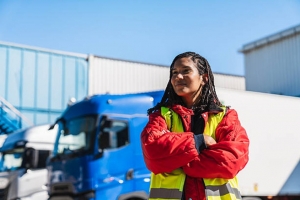
Young people from Generation Z could help address the ongoing shortage of commercial drivers, according to new research highlighting their growing interest in technology-enabled transport roles. The study found that many people aged between 16 and 25 are open to careers in driving, particularly when modern technology plays a central role in the job.
More than half of those surveyed said they would like to work in positions that involve artificial intelligence or advanced digital systems. Around 58% said a driving career appealed to them, with flexible schedules, the ability to work independently and avoiding a traditional office environment among the main attractions.
However, the research also showed that younger workers have higher expectations when considering this type of career. About one in four respondents said they would be more likely to choose commercial driving if the role included emerging technologies such as AI-powered tools or autonomous vehicle systems. Despite this interest, misconceptions about the job remain common, with many respondents believing the work involves long hours or lacks variety.
Industry experts say the sector needs to reshape how these careers are presented to younger generations. Modern fleets increasingly rely on digital systems and automation that reduce paperwork and improve efficiency for drivers. By highlighting these technological advances and presenting drivers as skilled professionals operating connected systems, companies hope to attract a new generation of tech-savvy workers to keep transport networks running.
Warning Over Fire Risk During Electric Vehicle Paint Repairs
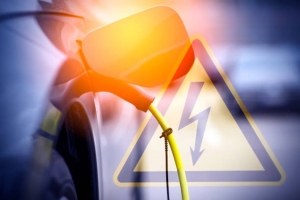
Traditional paint repair techniques used in vehicle bodyshops could pose a serious fire risk when applied to electric vehicles, according to insurance specialists. AXA UK Commercial has warned that standard repair processes, particularly those involving high heat, may damage sensitive EV components and increase the risk of fires or explosions.
When a car panel is repaired and repainted, it is typically cured inside specialised paint booths where temperatures can exceed 50°C. While this method is widely used for petrol and diesel vehicles without issue, the same conditions may negatively affect electric vehicles. Experts warn that excessive heat exposure can harm EV batteries or interfere with high-voltage electrical systems.
Dan Wilkins, property technical risk manager at AXA UK Commercial, said repair centres must be aware of the potential dangers and ensure procedures are adapted for electric vehicles. He explained that EV batteries are highly sensitive to temperature and damage could cause electrical faults that might lead to fires. Wilkins also noted that many garages may still lack the specialist equipment or training needed to safely carry out EV repairs.
To reduce the risks, AXA has issued new safety guidance for bodyshops working with electric vehicles. Recommendations include using low-temperature paint products, fast-drying coatings that require less heat, or infrared systems that target specific panels rather than heating the entire vehicle. The insurer also advises repairers to follow manufacturers’ guidelines and use temperature monitoring equipment to track heat levels around batteries and high-voltage components during repairs.
Fuel Prices Climb as Middle East Tensions Disrupt Oil Supply

Fuel prices in the UK have risen sharply following escalating conflict in the Middle East, pushing the average cost of diesel to its highest level in 16 months. The increase comes after renewed military tensions in the region disrupted global oil supplies and triggered a surge in wholesale energy prices.
Oil markets reacted strongly after attacks across the Middle East affected production and shipping routes. In particular, disruption around the Strait of Hormuz – a crucial global shipping channel for oil and gas – has slowed tanker movements and raised concerns about supply shortages. The situation has led to higher wholesale fuel costs across Europe and the United States, which are now beginning to filter through to petrol stations.
Industry figures show petrol prices have risen by several pence per litre in recent days, while diesel has increased even more sharply. Retail groups say these changes reflect rising wholesale costs rather than profiteering by forecourts. They have also advised motorists to compare prices locally, as different stations may adjust prices at different speeds depending on their supply contracts.
Energy analysts warn that prices could continue to rise if instability in the Middle East persists. Higher oil prices have already affected financial markets, with stock markets across Europe falling amid fears that increasing energy costs could drive inflation higher and potentially lead to further increases in interest rates.
Transport and Logistics Firms Move Away from Homeworking

Businesses within the UK transport and logistics sector are becoming increasingly reluctant to support homeworking, according to new data released by the Office for National Statistics (ONS). The figures show that only 4.4% of companies in the industry are currently using, or planning to introduce, increased homeworking. This marks a significant drop from 14.6% recorded in the previous survey carried out in November 2025.
The sector now appears to be the least likely to adopt remote working practices when compared with other industries. By contrast, organisations in the information and communication sector remain far more open to flexible working arrangements, with around 40.6% either already using or planning to expand homeworking in the near future.
Other sectors that traditionally rely on on-site work also appear more receptive to remote options than transport and logistics. Around 16.2% of manufacturing firms and 14.9% of retail businesses reported plans to increase homeworking. Even the accommodation and food service sector, which includes restaurants, pubs and hotels, reported a higher figure of 5.8%.
Industry analysts suggest that the limited use of remote working could be contributing to ongoing recruitment challenges within the sector. Some businesses have reported pausing operations or struggling to meet demand due to staffing shortages. Employers have cited several reasons for resisting homeworking, including concerns about suitability for the role, difficulties managing staff remotely, and worries that remote working may negatively impact workplace culture and staff integration.