

Electric Lorry Makes Historic Channel Crossing
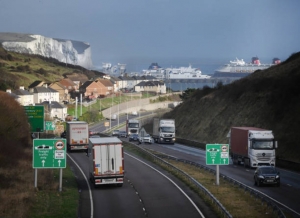
An electric heavy goods vehicle has completed the first-ever journey through the Channel Tunnel, marking a significant step for zero-emission freight transport. The crossing formed part of a government-backed trial exploring how electric lorries can operate on long-distance international routes linking the UK with mainland Europe.
The trip was delivered by partners involved in the eFreight 2030 initiative, working alongside LeShuttle Freight, which carries more than a million lorries a year through the tunnel. The route is one of Europe’s most important trade links, and organisers say proving electric vehicles can use it reliably is a major milestone for the logistics sector.
The journey began at a UK distribution hub in the East Midlands, where the lorry was loaded and fully charged using high-powered depot infrastructure. It then travelled on a 1,700km return route to Germany, with drivers stopping at public rapid-charging sites in the UK, France and Belgium. The charging stops demonstrated the growing network of facilities now available to support electric freight on international corridors.
The vehicle used was an electric version of the Daf XF, capable of travelling up to 500km on a single charge and quickly topping up en route. Industry leaders involved in the project said the successful crossing shows electric HGVs are no longer limited to short, domestic journeys. They believe the trial highlights how zero-emission lorries can already meet the demands of mainstream logistics, while supporting UK and EU ambitions to cut transport-related emissions.
New Cameras to Police Lorry Routes in London

Automatic number plate recognition cameras will be rolled out across parts of London to strengthen enforcement of rules controlling heavy goods vehicle movements. The technology will be used to monitor compliance with the London Lorry Control Scheme, a long-running initiative aimed at reducing noise, congestion and environmental disruption caused by large vehicles, particularly in residential areas.
The scheme, which has been operating for several decades, limits when and where lorries can travel on certain roads, especially overnight. After a trial demonstrated positive results, cameras will now be installed on selected routes where breaches have been more common. Locations have been chosen using traffic data, enforcement priorities and patterns of non-compliance identified by councils.
The cameras will automatically capture number plates of lorries travelling on restricted roads during controlled hours. Any suspected violations will then be reviewed by trained officers before any further action is taken. According to London Councils, this approach will make enforcement more reliable and even-handed, while also improving understanding of how lorries move around the capital at night.
To help operators adjust, hauliers will receive advance warning at each new camera site, with notices issued for an initial two-week period before full enforcement begins. Operational rules for the scheme are not changing, and drivers must continue to use the Excluded Route Network unless they hold a valid permit. London Councils say the update will help protect communities by keeping neighbourhoods quieter and cleaner during overnight hours.
RHA Unveils New Compliance Framework for Van Operators

The Road Haulage Association has introduced a new industry framework aimed at helping van operators meet their legal and professional responsibilities. Known as the RHA Van Standard, the guidance is intended to support businesses running light goods vehicles up to 3.5 tonnes, including firms that mainly operate HGVs but use vans for local deliveries or specialist tasks.
Van operators have come under increasing pressure in recent years, with tighter regulation, more frequent enforcement checks and uncertainty around how existing rules apply to lighter vehicles. Areas such as drivers’ hours, working time, cross-border journeys and employment obligations have proved particularly challenging, especially for companies managing mixed fleets.
The new standard brings together the core elements operators are expected to manage, offering clarity on issues including driver competence, vehicle servicing, health and safety, contracts of employment, tachograph use and working time arrangements. By setting out recognised best practice, the RHA says the guidance provides a clear benchmark for what responsible and professional van operation should look like.
Richard Smith, Managing Director of the RHA, said many operators are being asked to do more while facing increased scrutiny and slimmer margins. He said the new standard is designed to cut through complexity, offer reassurance and help businesses stay compliant. The launch also coincides with the RHA’s dedicated van membership, which offers access to expert advice, training, legal and employment support, insurance services and representation on key industry issues.
Health Pop-up Supports Lorry Drivers on the Road

Lorry drivers passing through Somerset are being offered on-the-spot health checks at a local truck stop, as part of an NHS initiative designed to improve wellbeing and reduce isolation within the profession. At Junction 24 Truck Stop in Bridgwater, a visiting nurse provides routine screenings, including blood pressure and diabetes tests, to drivers from the UK and overseas.
The service also gives drivers the opportunity to speak face to face with a healthcare professional, something many may rarely experience while working long hours alone. Alongside physical checks, advice is offered on staying active, eating well and managing the health risks linked to spending long periods sitting behind the wheel.
District nurse Fay Braddick, who leads the project, said the aim is to help drivers take early action to protect their health. She explained the idea grew from earlier work supporting farmers, noting shared challenges such as long working hours, difficulties accessing healthcare and concerns around mental wellbeing. She added that loneliness and limited social contact can have a serious impact, particularly for those who spend most days on their own.
Official figures show lorry drivers have a higher suicide rate than the national average, underlining the need for better support. Driver Darrell Tuitt said some colleagues avoid health checks through fear or exhaustion after demanding shifts. However, Braddick said her views had changed since running the clinics, adding she had been encouraged by how many drivers are more health-conscious than expected and open to engaging when support is made accessible.
Major Milton Keynes Warehouse Completed as Occupier Remains Unknown

A large new logistics warehouse in Milton Keynes has been completed, though the identity of the business set to move in has yet to be revealed. The development, known as Logistics City, is located on Michigan Drive in Tongwell, close to the M1, and is one of the biggest new industrial buildings completed in the area in recent years.
The 125,000 sq ft facility has been built on a six-acre site acquired by Kier Property in 2024. The previous warehouse and office buildings were demolished to make way for the new development, which includes modern Grade A office accommodation, a green roof and dedicated outdoor break-out space for staff. Its location offers strong transport links, making it attractive to logistics and distribution firms.
Kier Property says the building has been designed with sustainability at its core. The warehouse is targeting an EPC A+ energy rating and net zero carbon operation, alongside a minimum BREEAM ‘Excellent’ standard, with scope to reach the highest ‘Outstanding’ rating in the future. These credentials reflect growing demand for environmentally responsible industrial space.
Speaking after completion, Kier’s head of industrial and logistics described the project as an important step for the company, highlighting its ability to deliver large-scale, high-quality developments. Kier Property continues to roll out its Trade City and Logistics City schemes across the UK, with sites already established or under way in locations including Hemel Hempstead, Bracknell, Manchester and St Albans. Despite strong interest, no announcement has yet been made about who will ultimately occupy the Milton Keynes site.
Northern Ireland Reviews Speed Limits with Plans for Slower Streets and Faster HGVs

Drivers in Northern Ireland could soon see significant changes to speed limits following the launch of a wide-ranging review by the Department for Infrastructure (DfI). A 14-week public consultation opened on 14 January and will run until 22 April, inviting views on whether existing limits remain suitable and how they could be adjusted to improve road safety.
The review forms part of a broader effort to cut the number of people killed or seriously injured on the roads. Official figures show 56 fatalities last year, following 69 the year before. The DfI says excessive speed continues to be a major factor in serious collisions, particularly on rural roads, which account for a high proportion of deaths despite carrying lower traffic volumes.
Among the proposals being explored is a wider rollout of 20mph limits in residential and community settings, where evidence suggests slower speeds can make people feel safer. At present, Northern Ireland has relatively few such schemes, mostly limited to advisory zones or roads with traffic-calming features. The review also considers lowering speed limits on certain rural routes, especially single carriageways.
At the same time, the consultation looks at increasing speed limits for heavy goods vehicles. Options include raising HGV limits to 50mph on single carriageways and 60mph on dual carriageways, bringing Northern Ireland into line with other parts of the UK. Officials argue this could improve traffic flow and reduce dangerous overtaking, though public feedback will help shape any final decisions.
New Road Safety Plan Puts Pressure on Fleet Operators
The government has unveiled a wide-ranging road safety strategy that signals tougher expectations for businesses whose staff drive as part of their work. Legal experts say operators with strong training programmes and clear oversight of driver behaviour will be in a far safer position under the new approach.
The Department for Transport’s plan sets out an ambition to cut deaths and serious injuries on UK roads by 65% over the next ten years, rising to 70% for children under 16. Proposed measures include a review of the drink-drive limit, alongside sharper enforcement on drug-driving, speeding, mobile phone use and failure to wear seatbelts. Transport Secretary Heidi Alexander said the strategy was designed to restart progress after years of stagnation.
One key element is the creation of a national road safety charter for work-related driving, which would outline minimum standards for employers. Although participation will initially be voluntary, lawyers warn it could quickly become the benchmark used by investigators and courts. Firms that fail to engage may be judged harshly following serious incidents, even before any formal regulation is introduced.
The strategy also places strong emphasis on using data to improve safety. While tools such as telematics can highlight risky behaviour, experts caution that ignoring warning signs could increase legal exposure. There is also a shift in language, replacing the word “accident” with “collision”, underlining a focus on accountability. Industry bodies have welcomed the plans and say they are ready to work with government to ensure the measures are practical and evidence-led.
InPost Weighs Possible Buyout Approach

Parcel locker specialist InPost has confirmed it is considering a takeover approach after receiving an initial, non-binding proposal from a group of investors. Reports suggest the consortium is led by private equity firm Advent International, which previously floated the company on the Amsterdam stock exchange in 2021 and remains a minority shareholder.
The Poland-based logistics group said it had seen unusual share price and trading activity before the approach was made. In response, InPost has created a special committee made up of senior supervisory and management board members to review the proposal and decide on next steps. The company, which is valued at more than €6bn (£5.2bn), has not commented on the terms or timing of any potential deal.
InPost has grown rapidly across Europe and the UK, delivering more than 350 million parcels in its latest quarter. In the UK, where it owns Yodel, the firm operates the country’s largest automated parcel machine network, with more than 11,000 lockers and almost 17,000 out-of-home collection and drop-off points. Its locker-based model has proved popular with retailers and online resale platforms, offering lower-cost and more flexible delivery options.
Market analysts say the bid may reflect an opportunistic move following a weak period for InPost’s share price. While the business faces challenges including slower growth in Poland, pricing pressure and a legal dispute with Allegro, it is still seen as a valuable asset. Speculation has also emerged over whether Royal Mail owner International Distribution Services could consider a counterbid, although competition concerns and integration risks remain significant hurdles.
UK Hauliers Poised For Trade Boost As EU Access Tightens

UK-based international haulage firms could see stronger cross-border business this year as changes to EU freight and movement rules begin to reshape competition, according to the Road Haulage Association (RHA). The trade body says recent reforms are ending years of near-unrestricted access to the UK market by foreign-registered lorries, creating fresh opportunities for domestic operators.
An RHA analysis drawing on Office for National Statistics data shows that, over the past two decades, UK-registered heavy goods vehicles have generally carried more imports than exports, with overall volumes gradually declining. In 2024, the gap between imported and exported goods widened slightly, reaching 0.7 million tonnes. Despite this, international freight moved by UK-registered HGVs rose to 5.7 million tonnes, a 4 per cent increase on the previous year.
UK vehicles also made more cross-border journeys, with international trips rising by 2 per cent in 2024. While British lorries were once the most common vehicles operating into Europe, they now account for around 13 per cent of such trips, ranking second behind EU operators. Foreign-registered vehicles continue to dominate overall journeys, although their growth has slowed and the volume of goods they carried fell in 2023.
The RHA says EU hauliers are facing mounting pressures, including rising fuel and insurance costs, stricter environmental rules and a worsening driver shortage expected to reach 400,000 by 2026. As regulatory changes take effect, the association believes UK hauliers’ adaptability could give them a long-awaited competitive edge in 2026 and beyond.