
Logistics Sector Calls for Urgent Government Help

The UK logistics industry is appealing for immediate government assistance as rising costs linked to tensions in the Middle East place increasing strain on businesses. Logistics UK has warned that without intervention, the impact could spread across the wider economy, pushing up prices for consumers and affecting growth.
Fuel costs have been highlighted as a major concern, with the expense of filling a large lorry rising sharply in recent weeks. Many companies operate on tight profit margins, and while some have been forced to pass increased costs on to customers, others say they cannot, leaving them facing significant financial pressure.
Chief executive Ben Fletcher said the situation is becoming unsustainable, with the risk of higher inflation and disrupted supply chains. He called for a support package from Chancellor Rachel Reeves to help firms manage current challenges while continuing progress towards greener operations and improved energy security.
Industry leaders are urging the government to delay planned fuel duty increases and extend financial support to cover rising electricity bills, particularly for energy-intensive facilities such as refrigerated warehouses. They also want logistics firms included in schemes designed to boost industrial competitiveness and are calling for a temporary reduction in business rates to ease pressures and allow investment in the sector’s future.
Uninsured Driving Reaches 17-Year High in UK

The number of uninsured vehicles seized across the UK has reached its highest level in nearly two decades, with close to 160,000 cars taken off the roads last year. Authorities estimate that hundreds of thousands of vehicles are still being driven without valid insurance each day, raising serious concerns about road safety and financial impact.
Rising insurance costs are believed to be a key factor behind the increase, with many drivers admitting they simply cannot afford cover. Certain areas have been identified as hotspots, including several locations in Birmingham, where incidents involving uninsured drivers are particularly common. Enforcement operations continue to target these regions in an effort to reduce illegal driving.
The consequences of uninsured driving extend far beyond individual offences. It is estimated to cost the UK economy around £1bn annually, factoring in compensation claims, emergency response costs and wider economic losses. Victims are frequently affected, with incidents involving uninsured or hit-and-run drivers occurring regularly and sometimes resulting in serious, life-changing injuries.
Police operations have also revealed that uninsured drivers are more likely to be involved in other offences, including driving under the influence or using unsafe vehicles. In addition, fraudulent practices such as “fronting” remain an issue. Drivers caught without insurance face penalties including fines and points on their licence, as authorities continue efforts to tackle the growing problem.
Depot Delays Hindering UK Logistics Efficiency

In today’s logistics landscape, delays are increasingly happening before vehicles even leave the yard. For HGV operators, the time taken to arrive, load, and depart is a key measure of performance, yet much of this is dictated by how efficiently depots are organised rather than what happens on the road.
Rising demand from e-commerce and tighter delivery expectations have put pressure on fleets to make better use of every journey. However, long waiting times at warehouses remain a persistent issue, with drivers often spending hours idle. Studies suggest many drivers are only able to use a portion of their legal driving hours due to time lost at facilities, reducing overall productivity.
A major factor behind these delays is poor depot design. When packing areas are separated from loading bays or workflows are disjointed, goods take longer to move through the system. Congested loading zones and poorly planned sequencing can further slow operations, creating knock-on effects such as missed delivery slots and increased fuel use from idling vehicles.
Improving efficiency often starts inside the depot. Better layouts, clearly defined dispatch areas, and well-designed packing stations can help streamline processes and reduce bottlenecks. By focusing on how goods flow through a facility rather than simply where they are stored, operators can cut delays, improve driver satisfaction, and enhance overall performance without expanding fleet capacity.
HGV Market Slips as Zero-Emission Uptake Stalls
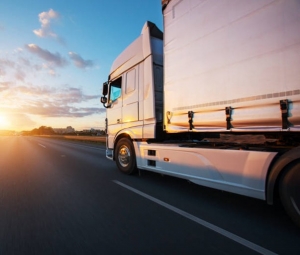
New registrations of heavy goods vehicles in the UK fell slightly in the first quarter of 2026, with 9,471 trucks added to the roads, marking a 2.7% decline compared to the same period last year. The drop follows a period of recovery driven by post-pandemic demand, but growth is now being limited by wider economic pressures.
The market showed mixed performance across different vehicle types. While demand for box vans and curtain-sided trucks dropped sharply, registrations of tractor units increased, now making up the majority of new vehicles. Tippers and refuse collection vehicles also saw growth, indicating continued demand in specific sectors despite the overall downturn.
More concerning is the slowdown in zero-emission HGV adoption. Registrations fell by over 16%, accounting for less than 1% of the total market. Although manufacturers continue to expand their range of electric and low-emission models, uptake remains limited due to high costs and insufficient charging infrastructure.
Industry experts highlight ongoing challenges such as expensive depot upgrades and lengthy delays in securing grid connections. While government grants and incentives are helping, further action is needed to support the transition. Accelerating infrastructure development and providing long-term policy clarity will be crucial to boosting confidence and reducing emissions across the sector.
Amazon Adds New Surcharge for North American Sellers

Amazon has announced a new 3.5% logistics and fuel surcharge for third-party sellers operating across the United States and Canada, set to take effect from 17 April 2026. The company says the decision reflects rising operational costs, particularly linked to increased fuel prices and wider supply chain pressures.
Fuel costs in the US have climbed to their highest levels in several years. Recent data shows petrol prices averaging over $4 per gallon, while diesel has risen even further. Amazon stated that it had previously absorbed these additional expenses but now needs to pass some of the burden onto sellers using its platform.
The move follows similar actions from other major delivery firms. Companies such as UPS and FedEx have already raised their fuel surcharges, while the US Postal Service has also introduced temporary pricing adjustments to cope with higher transportation costs. These changes highlight the wider impact of increased fuel prices across the logistics sector.
Meanwhile, air freight continues to face cost pressures due to global supply disruptions, particularly linked to the Middle East. Although easing geopolitical tensions may help stabilise rates, industry experts suggest any significant reduction will take time. Even with falling jet fuel prices, analysts warn that shipping costs are unlikely to drop as quickly as they previously rose.
Electric Lorries Could Cut Major Carbon Emissions, Report Finds

A new report has revealed that a single electric heavy goods vehicle could prevent around 1,000 tonnes of carbon emissions by 2034 compared with a diesel equivalent. The findings underline the growing importance of electric lorries in reducing the environmental impact of the UK’s freight sector.
The research draws on a large-scale national project involving more than 30 industry partners, focused on accelerating the shift to zero-emission transport. As part of the programme, electric trucks have been introduced across multiple fleets, helping to test performance and infrastructure in real-world conditions.
So far, participating operators have covered over two million kilometres using electric vehicles, providing valuable insight into their day-to-day use. The report suggests that, under the right conditions, electric HGVs can match or even outperform diesel vehicles in terms of cost, particularly when charging is carefully planned.
Driver feedback has also been positive, with many reporting increased confidence after gaining experience with the vehicles. As the project moves forward, attention will turn to long-term data collection and improving charging networks. The findings are expected to guide businesses and policymakers as they plan the wider rollout of electric freight solutions across the UK.
New Tools Aim to Speed Up Electric HGV Transition
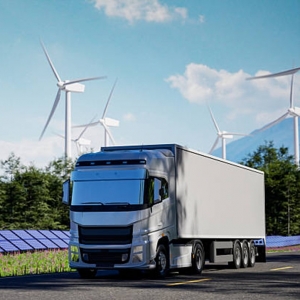
A new set of resources has been introduced to support UK haulage operators in moving towards electric heavy goods vehicles. Developed using insights from large-scale trials, the toolkit is designed to help businesses better understand the practical and financial aspects of switching to zero-emission trucks.
The materials draw on data from government-backed projects that deployed dozens of electric lorries and charging systems across multiple sites nationwide. They include interactive modelling tools, cost calculators and guidance to help operators assess infrastructure needs, energy demand and long-term savings linked to electrification.
Created through collaboration between industry partners, manufacturers and infrastructure providers, the initiative aims to bridge knowledge gaps between the transport and energy sectors. It offers practical advice not only for fleet operators but also for policymakers, network planners and charging providers, helping them coordinate efforts more effectively.
The release comes as the UK pushes towards ambitious decarbonisation targets, including phasing out new diesel HGVs over the coming decades. With thousands of electric trucks expected to be needed to meet future climate goals, the new toolkit provides early guidance on scaling up adoption. It highlights both the opportunities and challenges ahead, encouraging a more joined-up approach to building the systems required for a cleaner freight industry.